The short answer
Compare each lot’s documented boundaries and constraints with what you observe at different times of day. A view, pool plan, or sense of privacy needs property-specific verification before you pay for it.
You can spend hours studying a floor plan and only a few minutes considering the land beneath it. I would give the homesite more attention. It influences the outlook from your main rooms, the way you use outdoor space, and the changes you may or may not be able to make later.
Start with the rooms where you spend time
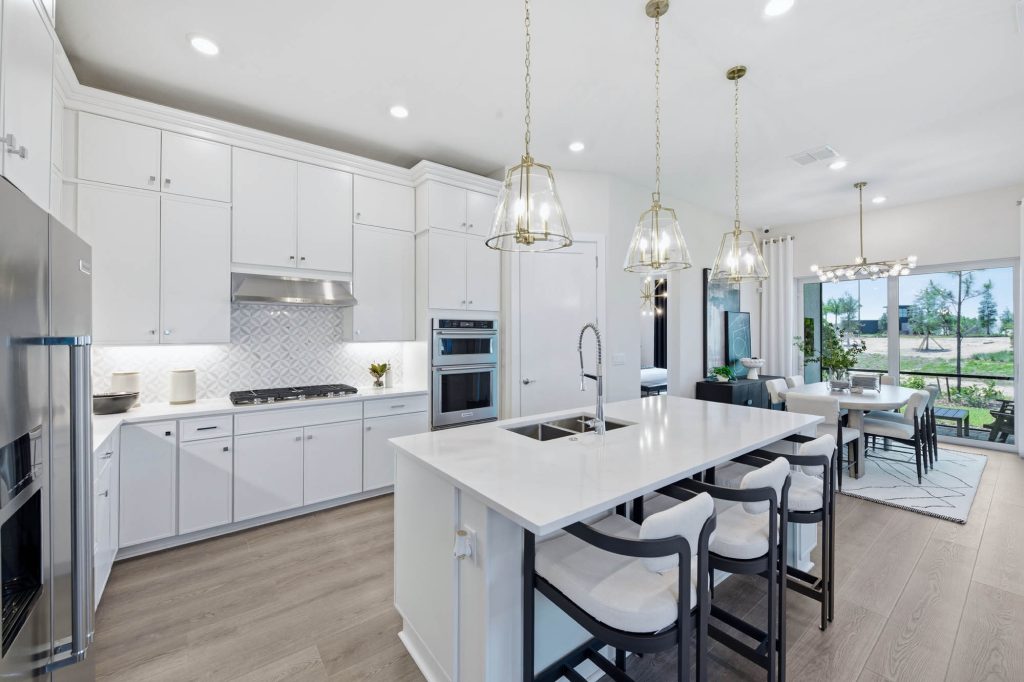
Stand where the living room and lanai will be, when access is permitted, and think about what you would see. Ask for a lot-specific placement drawing so you can relate the floor plan to the site. A model may face a different direction or have a different relationship to neighboring homes.
Visit at more than one time if possible. Notice sunlight, shade, traffic, and nearby activity. A compass direction is useful information, but it does not capture every effect of surrounding buildings, landscaping, or your own preferences.
Read the lot documents before planning additions
Request the recorded plat, available survey, easements, setbacks, and drainage information. If a pool, outdoor kitchen, or expanded lanai is important, ask the appropriate professionals to evaluate the actual lot and intended design. Do not treat a sales-map color or verbal impression as approval.
The supplied community documents require architectural approval for exterior changes and restrict fences. That means a backyard idea should be tested against both the physical site and the current community rules before it becomes part of your buying rationale.
Be precise about pond and open-space views
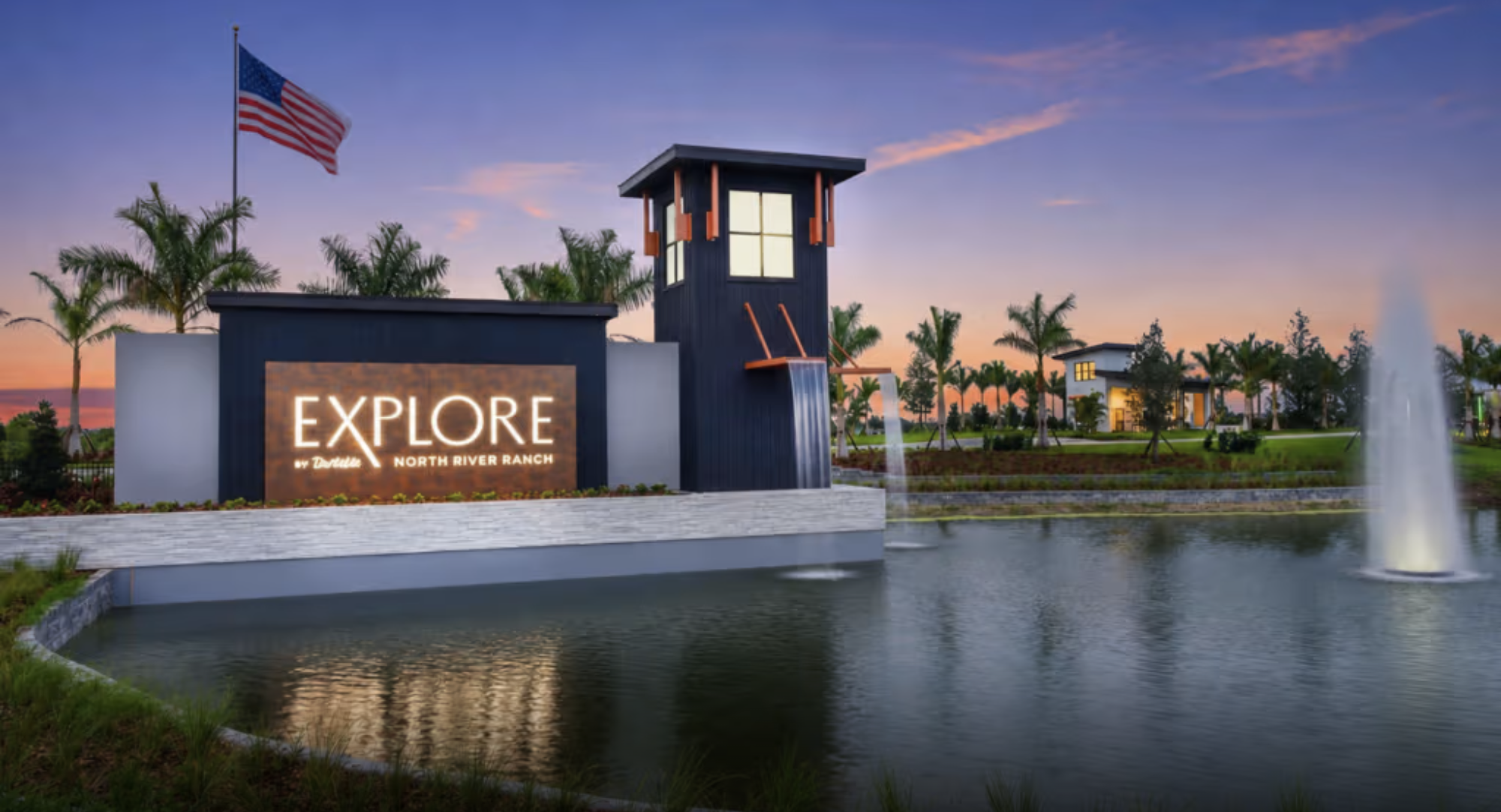
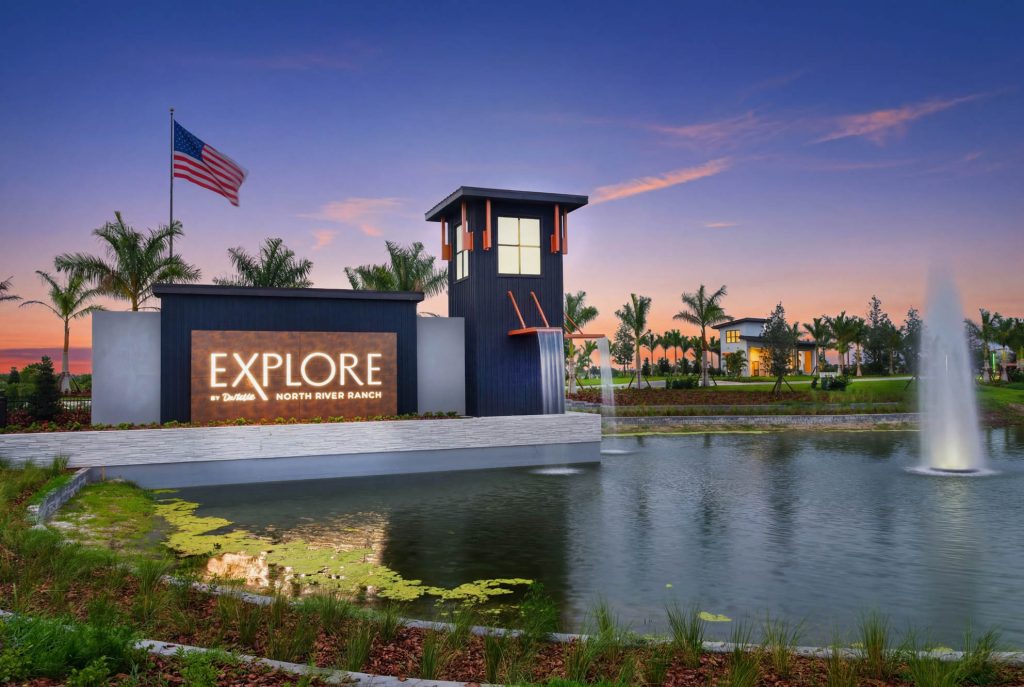
The supplied community addendum does not guarantee pond water levels. A pond-facing premium therefore should not be read as a promise that the view will always look exactly like it did during a tour. Ask about maintenance access and the boundaries between your lot and surrounding areas.
For open land beyond a homesite, ask what is recorded, approved, or planned there. I would distinguish documented conservation restrictions from land that simply happens to be undeveloped today. Request the source of any statement about what can be built.
Consider the construction around your move
Ask where building activity is expected during your anticipated first year and which routes construction traffic may use. No forecast can describe every future day, but current phasing information can help you understand the tradeoff between moving sooner and choosing a more established part of a neighborhood.
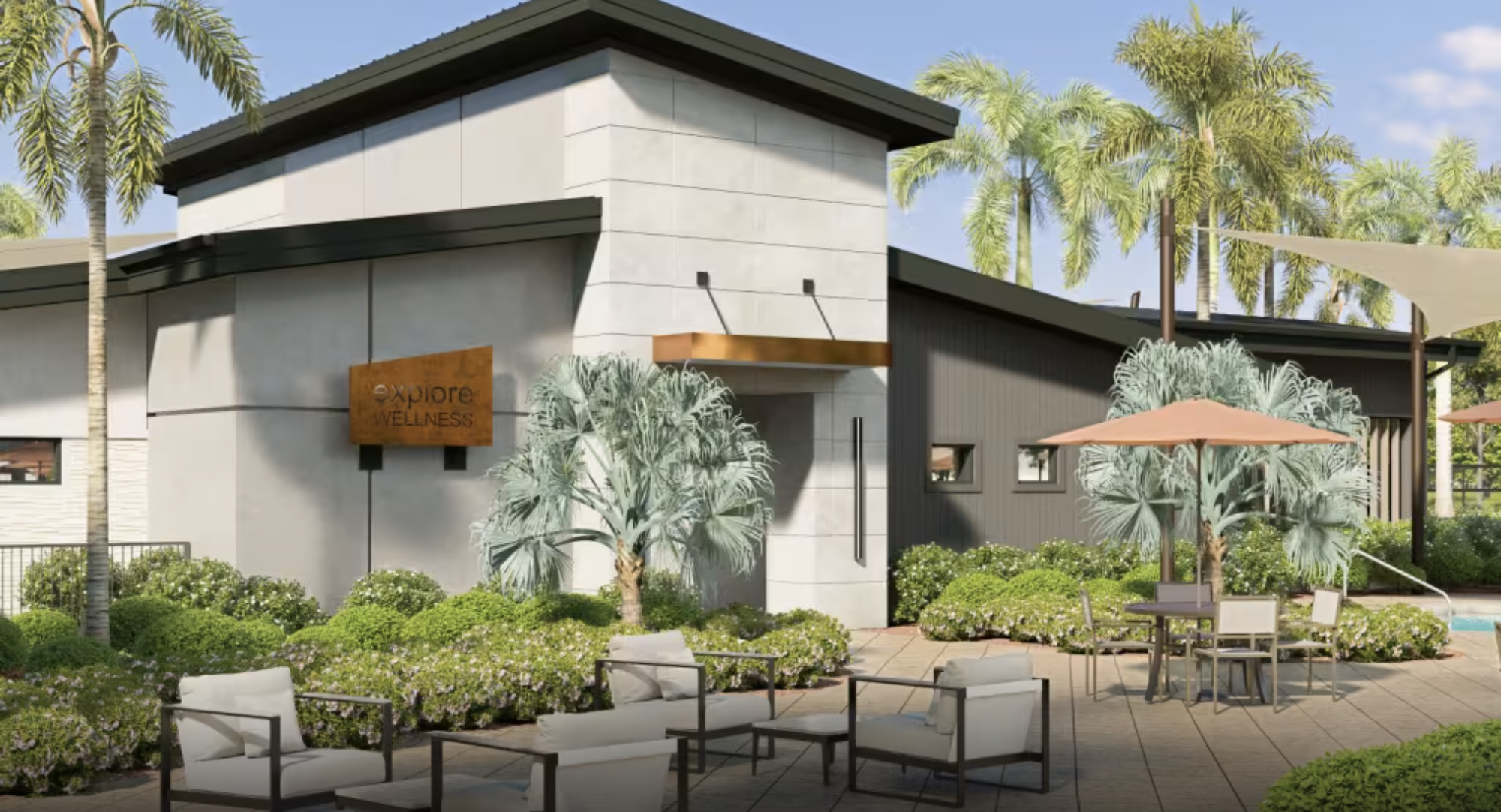
Also consider the route to amenities and everyday destinations. Walk or drive the permitted route rather than judging distance from a straight line on a map. Note unfinished connections and ask whether they will exist when you expect to move.
Give the premium a clear reason
Write one sentence explaining why a particular lot is worth its quoted premium to you. If the reason relies on a future condition, identify the document or confirmation supporting it. Then compare another available option and what the price difference would let you keep elsewhere in your budget.
I can help organize those tradeoffs and questions. Flood, evacuation, insurance, and engineering checks still need the specific property and the appropriate sources. A well-chosen lot starts with clear priorities and finishes with details you have actually verified.

Your independent Florida guide
Trenton Miller, M.B.A.
Seven years of builder-side experience at Pulte and David Weekley shape how I help you evaluate new construction. Found Your Florida · LPT Realty, LLC · FL license SL3627498.
Get to know TrentonCommunity information checked September 5, 2026. Historical fee estimates and recorded video pricing are identified separately. Information can change; confirm material terms for your property. Sources & updates