The short answer
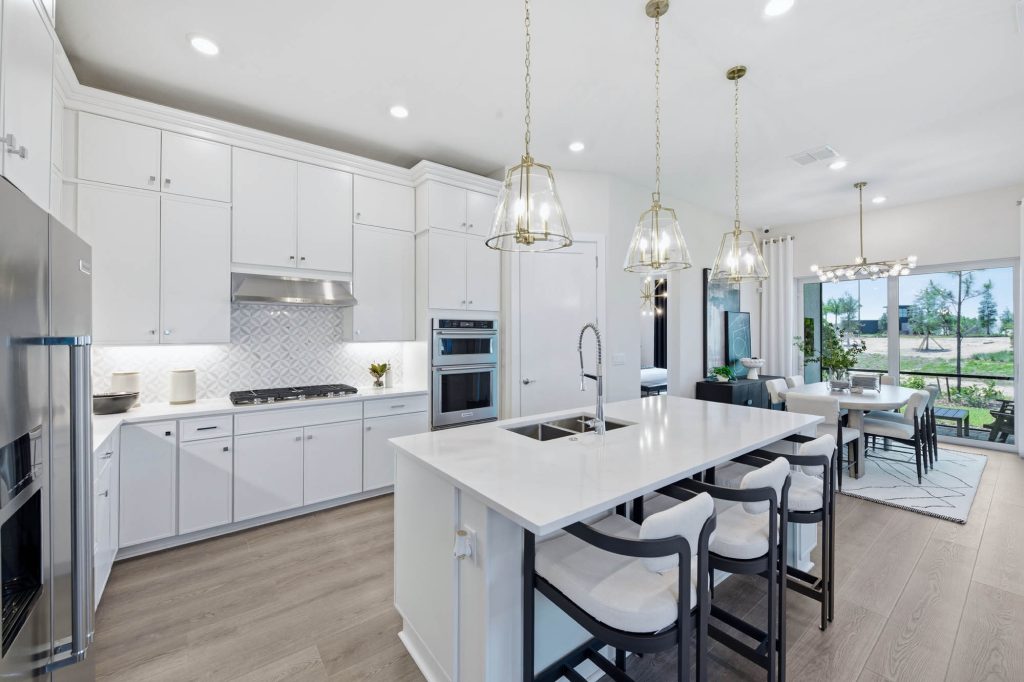
An inventory home may offer fewer remaining selection decisions, while a to-be-built option may offer more choices. Verify actual availability, construction stage, contract timing, and total cost for each candidate.
The better path depends on what you need to control. Is your priority a particular layout and set of selections, or coordinating a move around a deadline? I would compare actual home options at Explore against that answer rather than assuming that one type of purchase is always the better deal.
Define your real moving window
Tell me your preferred move date, your hard deadline, and how much flexibility exists between them. Include your current home sale, lease, work commitments, and any temporary-housing option. Those details can change which available homes are sensible to consider.
Keep an ideal date separate from the timing promised in the contract. Ask the builder what is estimated, what can change, and how updates are communicated. I would not schedule every part of a relocation around a marketing label such as quick move-in without checking the specific home.
Understand the inventory home’s stage
For any inventory candidate, request the actual construction status and a list of selections already made. Ask which decisions, if any, remain open. A home early in construction and a completed home can require very different planning even if both appear in an inventory search.
Evaluate the selected finishes as part of the offer. If you would replace something immediately, account for the cost and disruption rather than assuming an advertised incentive solves the mismatch. This article does not represent a live inventory list; availability needs a current check.
Test the value of additional choice
For a to-be-built option, ask which homesites accept the plan and what structural and design choices are currently offered. Get selection deadlines, deposits, and change policies in writing. More choice is useful only if you have the time and budget to make those decisions comfortably.
I would build a complete configuration before comparing it with inventory. Otherwise you may be weighing an already selected home against an unrealistically low base-price scenario. Use comparable features and clearly identify the differences you are willing to accept.
Plan inspections and the final walkthrough
Ask early about the builder’s process for independent inspections, permitted access, required credentials, and the stages at which inspections can occur. Coordinate through the builder rather than entering an active construction site on your own. The inspection opportunities available may depend on how far the home has progressed.
Before closing, request a documented walkthrough process and record unresolved items, responsible parties, and intended follow-up. Have the appropriate advisers review contractual questions about repairs, timing, and remedies. Do not assume an informal punch list changes the purchase agreement.
Compare timing costs as well as home prices
Add realistic estimates for temporary housing, storage, travel, moving twice, or overlapping housing payments where relevant. Ask the lender how the anticipated closing window affects the loan quote and rate-lock choices. A price difference should be considered alongside these practical costs.
Then compare the two complete scenarios: what you are buying, what remains uncertain, and how the move would work. I can help you build that comparison and request current options. The right answer is the one that fits your priorities with a timeline you understand.

Your independent Florida guide
Trenton Miller, M.B.A.
Seven years of builder-side experience at Pulte and David Weekley shape how I help you evaluate new construction. Found Your Florida · LPT Realty, LLC · FL license SL3627498.
Get to know TrentonCommunity information checked September 5, 2026. Historical fee estimates and recorded video pricing are identified separately. Information can change; confirm material terms for your property. Sources & updates