The short answer
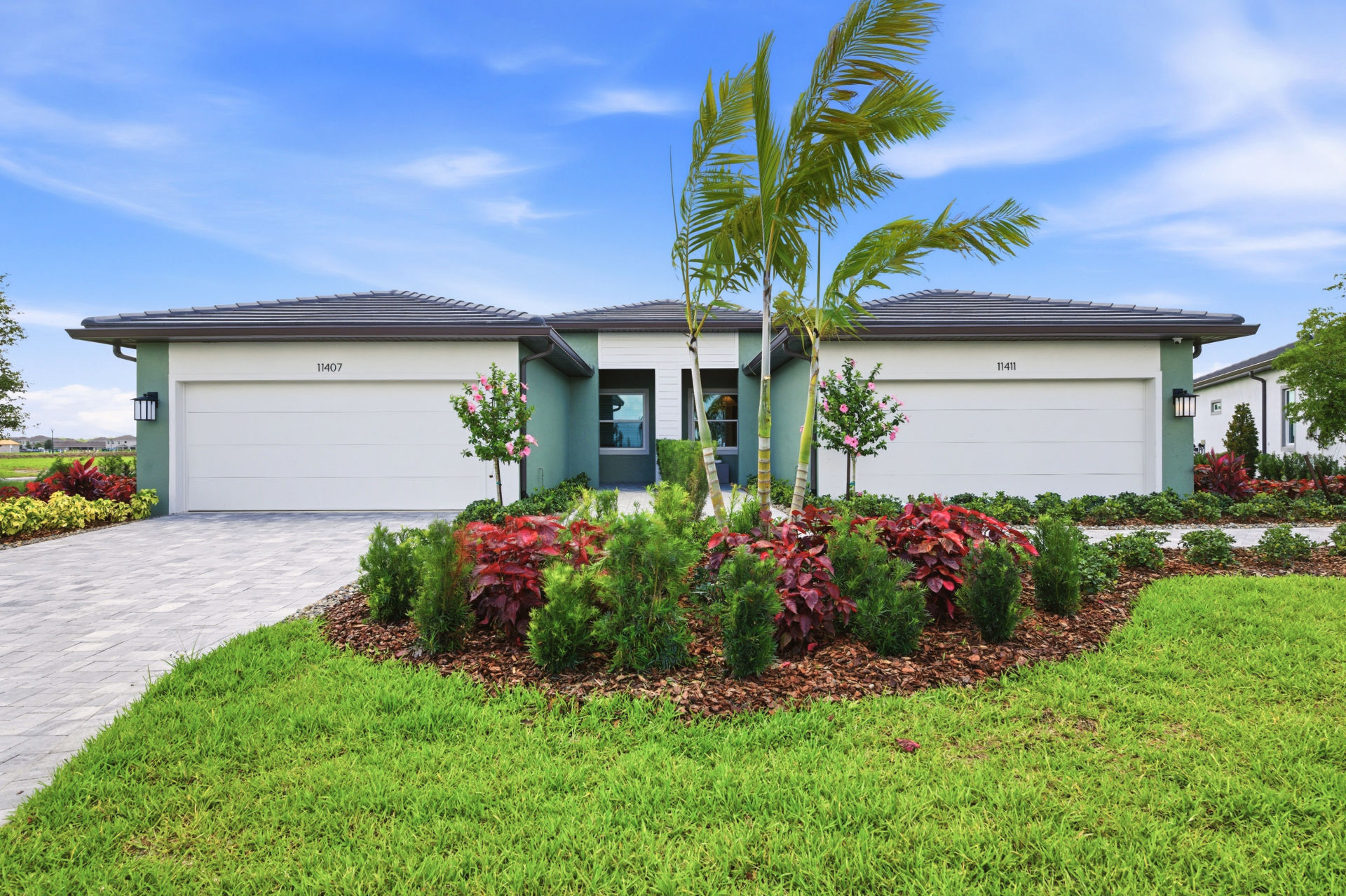
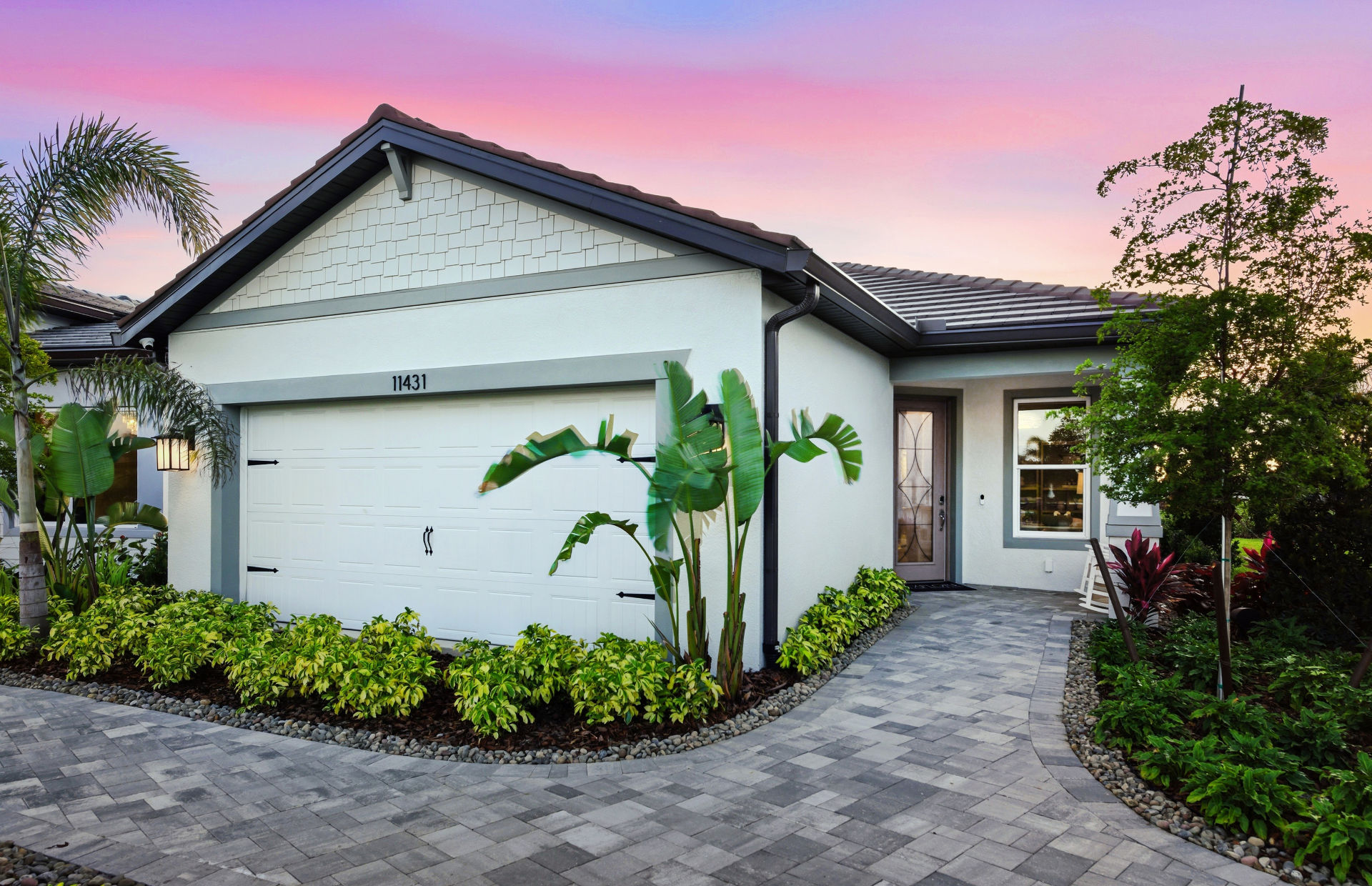
Explore’s four collections organize your search. Choose based on usable space, the specific homesite, and the complete price—not the collection name or the largest square-footage number.
Seventeen designs can make the first pass feel like a lot. I would start one level up, with the four collections, and narrow the choices before spending hours comparing options. The goal is a sensible place to begin, while staying open to a layout in another collection that works better.
Use the collection overview as a map
The overview below draws from the builder plan pages checked September 5, 2026. These are advertised base prices. They do not represent a completed, selected home on a specific lot, and prices or available configurations can change.
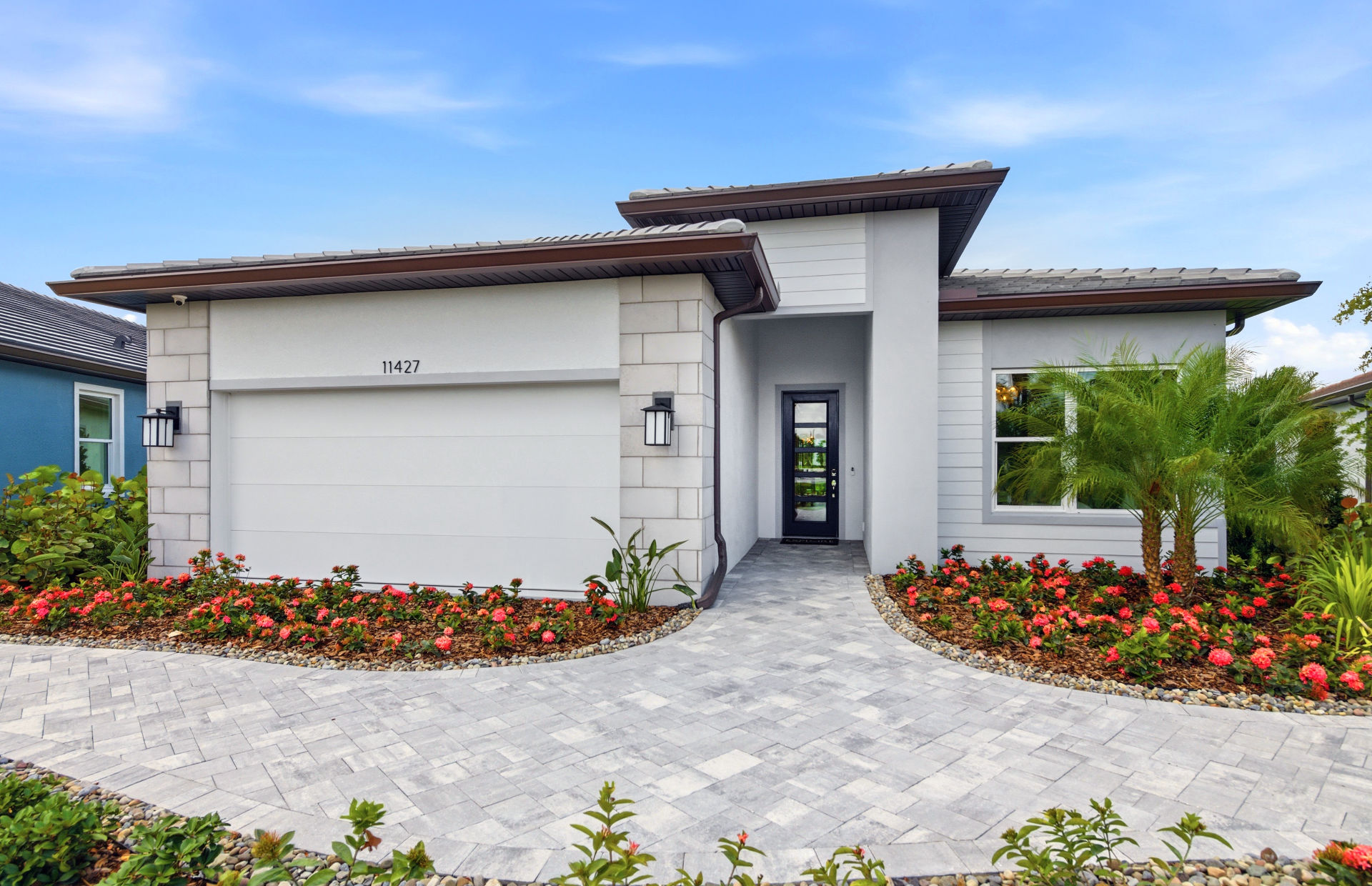
Villa contains the Ellenwood attached design. Scenic, Distinctive, and Echelon organize the detached choices. Instead of treating the names as a ranking, use them to find the space and price starting point you want to explore.
Advertised builder base prices · checked September 5, 2026
Homesite premiums, options, closing costs, and other applicable charges are additional. Prices, configurations, and availability can change.
| Collection | Starting from | Designs | Builder source |
|---|---|---|---|
| Villa | $354,990 | 1 | Starting plan ↗ |
| Scenic | $374,990 | 4 | Starting plan ↗ |
| Distinctive | $472,990 | 6 | Starting plan ↗ |
| Echelon | $596,990 | 6 | Starting plan ↗ |
Start with rooms you need simultaneously
Bedroom count is a useful filter, but it can hide a practical problem. If you work from home and regularly host guests, can both activities happen without moving furniture or changing your work schedule? If a flex space becomes a bedroom, what function do you lose?
Write down the rooms that need to work at the same time. Then compare the exact configuration, including available doors and room locations. That can eliminate unsuitable choices faster than a broad square-footage range.
Price the home you would actually buy
Pick a realistic configuration in each collection under consideration. Add the quoted lot premium, structural choices, and design selections before deciding that an option is comfortably inside the budget. A lower base price does not settle the comparison if your required selections differ substantially.
Compare recurring charges for each collection too. Put purchase cost and ongoing cost on the same page. Avoid using one collection’s fee estimate while pricing a home in another, and replace historical figures with current written amounts before committing.
Give the smaller option a fair test
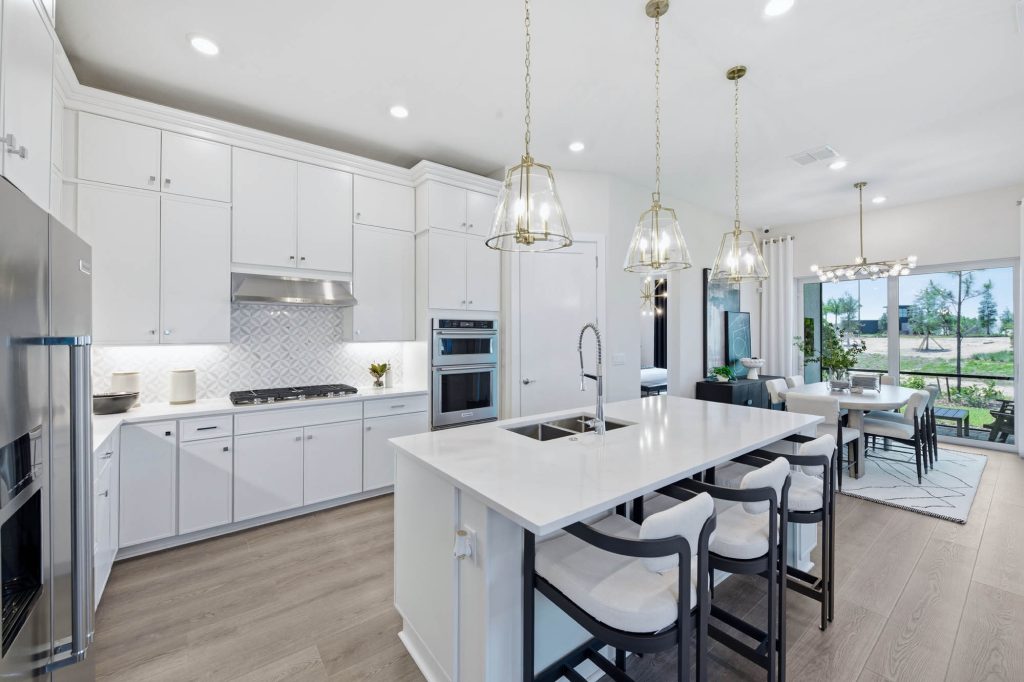
I do not want you paying for rooms simply because a larger plan makes a strong impression. Measure your furniture and consider the space you actually use now. A shorter route from the kitchen to the lanai might matter more to you than an occasional overflow room.
At the same time, do not force a smaller home to solve requirements it cannot meet. If privacy, work, and guests are daily priorities, price a configuration that supports them. The right choice is the one whose compromises you understand.
Finish with three complete comparisons
A useful shortlist might include a smaller home with your preferred lot, a larger home with fewer selections, and an inventory home if one matches your needs. Those are comparison scenarios, not a claim that specific inventory is available today.
For each, ask the complete price, possible closing timing, and what you are giving up. We can start with the plan comparison tool, then request the written details that turn a collection preference into a real buying option.

Your independent Florida guide
Trenton Miller, M.B.A.
Seven years of builder-side experience at Pulte and David Weekley shape how I help you evaluate new construction. Found Your Florida · LPT Realty, LLC · FL license SL3627498.
Get to know TrentonCommunity information checked September 5, 2026. Historical fee estimates and recorded video pricing are identified separately. Information can change; confirm material terms for your property. Sources & updates